 By Renewables Plus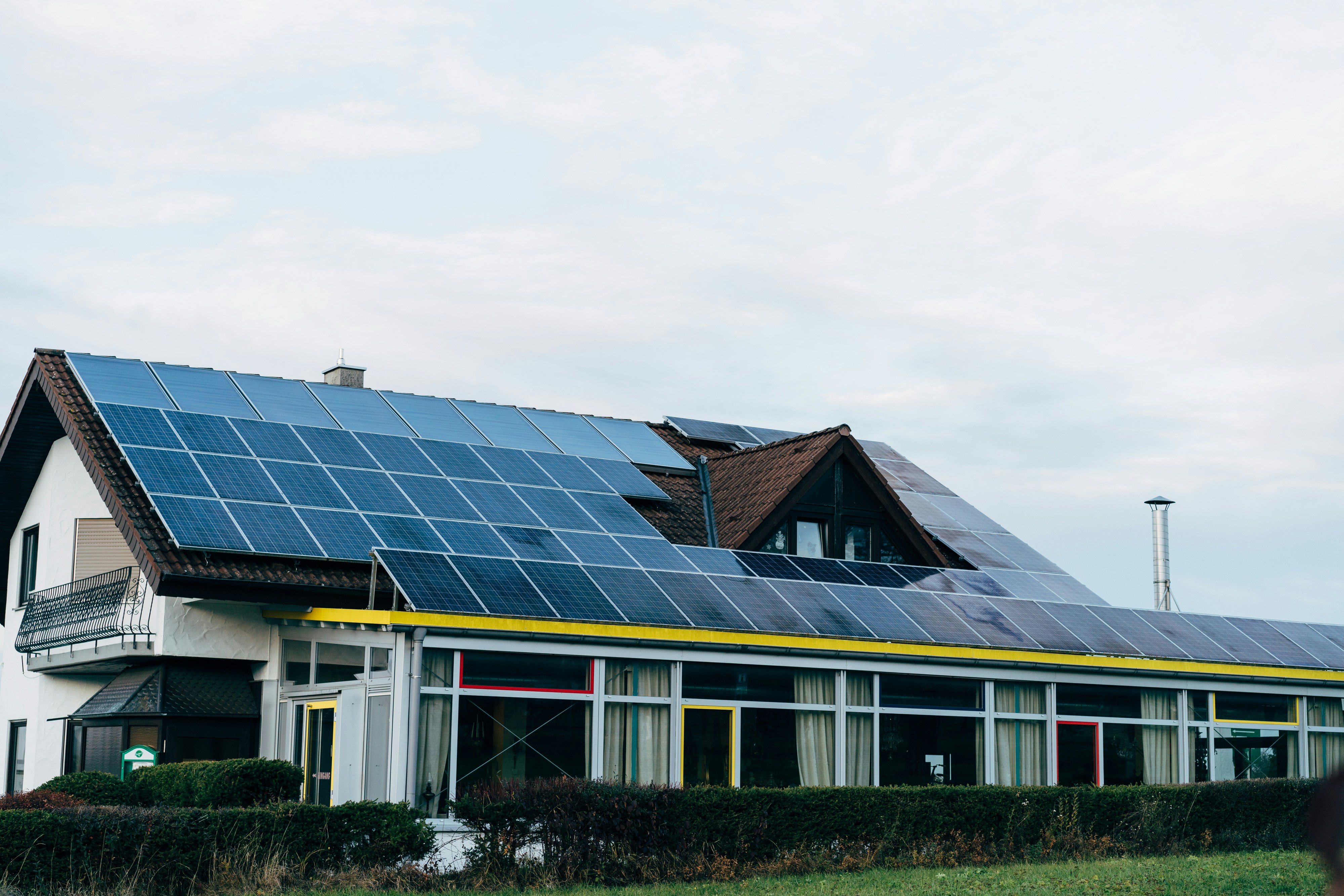
The Resilience of Residential Solar Amidst Tariff Challenges
The residential solar market is currently navigating a complex landscape, particularly due to the rising tariffs on imported solar equipment. While these tariffs are designed to protect domestic manufacturers, they have also resulted in increased costs for consumers looking to adopt solar energy solutions. However, despite these challenges, the resilience of the residential solar sector remains strong, supported by a growing commitment to clean energy and technological advancements.
Domestic manufacturing has stepped up in response to these tariff challenges. By creating jobs within the local economy, manufacturers are striving to reduce reliance on imported solar equipment. This shift not only helps sustain local employment but also mitigates some effects of increased costs that homeowners might face. As domestic production ramps up, innovations in manufacturing processes and new product developments are becoming increasingly prevalent, helping to maintain competitive pricing in the long term.
To offset the rising costs associated with tariffs, various financial mechanisms have been introduced, such as federal tax credits and utility savings programs. Homeowners can benefit from the Investment Tax Credit (ITC), which allows for a significant reduction in the upfront cost of solar installations. Additionally, many utility companies offer incentives for solar adoption, including rebates and net metering policies that allow homeowners to sell excess energy back to the grid. These financial incentives play a crucial role in keeping solar accessible and affordable.
Finally, the long-term economic viability of residential solar remains robust. Investing in solar technology not only contributes to a more sustainable energy future but also can provide homeowners with substantial savings on their utility bills over time. As market dynamics evolve, the advantages of solar energy continue to outweigh its challenges, ensuring that it remains a wise investment for those looking to embrace a cleaner, greener lifestyle.
Home Battery Storage: The Strategic Necessity
The transition to renewable energy sources such as solar power has created a paradigm shift in residential energy consumption. As net metering rules evolve and the frequency of power outages rises, home battery storage has transformed from a luxury item into a strategic necessity for homeowners. In this context, residential energy storage systems enable individuals to capture excess solar energy generated during the day, which can subsequently be utilized during peak hours or in times of grid failure.
Home energy storage systems provide a dual benefit: they allow homeowners to minimize their dependency on the grid while also reducing electricity costs. By storing excess energy generated from solar panels, homeowners can lower their electricity bills significantly—mitigating the impact of peak electricity pricing. This stored energy serves as a buffer, ensuring that utilization occurs when electricity rates are at their highest, thus providing both economic advantages and increased energy independence.
Moreover, the integration of home battery systems with solar energy fosters the creation of self-sufficient energy hubs. These hubs not only supply power during the day but are also equipped to provide backup electricity when power outages occur. This capability enhances operational resilience, as homeowners are less vulnerable to disruptions in the grid. As climate events become more frequent and extreme, the ability to access reliable power sources during emergencies underscores the strategic advantage of home energy storage systems.
Consequently, investing in home battery storage reflects a proactive approach to energy management. Homeowners can achieve a greener lifestyle, as well as reap long-term cost savings, by reducing reliance on traditional energy sources. This strategic shift towards sustainable energy solutions emphasizes the importance of home energy storage in the modern residential landscape.
Evaluating the Value of Electric Vehicles in 2025
The growing enthusiasm surrounding electric vehicles (EVs) has captured the attention of homeowners, particularly as the automotive industry progresses towards a more sustainable future. By 2025, the prospects for EV adoption appear increasingly favorable, especially for individuals who have integrated solar energy systems into their homes. However, there are rising concerns about the sustainability of these investments, specifically with regard to increasing electricity costs and the accessibility of charging infrastructure.
One of the key advantages of owning an electric vehicle for solar-equipped homeowners is the ability to charge their EVs using renewable energy. This practice not only reduces carbon emissions but also significantly mitigates the costs associated with traditional fossil fuel-powered vehicles. Solar-powered EV charging serves as a cost-effective solution, particularly when combined with home battery storage systems. These batteries allow homeowners to store excess solar energy generated during the day for use at night, thus optimizing their energy usage and costs further.
Moreover, the implementation of time-of-use (TOU) charging strategies can enhance the economic benefits of owning an EV. TOU pricing incentivizes users to charge their electric vehicles during off-peak hours when electricity rates are typically lower. This can lead to considerable savings on energy bills while seamlessly aligning with the energy produced by home solar systems. By leveraging these strategies, homeowners can not only alleviate potential concerns related to charging station availability but also enjoy greater control over their energy consumption.
As the electric vehicle market evolves, it is crucial for prospective buyers to consider the long-term financial and environmental benefits associated with such an investment. With the infrastructure and technology continuously developing to support EV integration within solar households, investing in electric vehicles in 2025 could prove to be a wise decision, one that aligns with a sustainable and economically viable energy future.
The Ideal Partnership: Heat Pumps and Solar Power
As the demand for energy-efficient solutions grows, the combination of heat pumps and solar power systems has emerged as a powerful alliance in residential energy management. Heat pumps, which operate primarily on electricity, align seamlessly with solar energy systems, enabling homeowners to harness renewable sources for their heating and cooling needs. This synergy between technologies not only enhances overall efficiency but also fosters a sustainable living environment.
One of the primary advantages of heat pumps is their superior efficiency compared to traditional heating, ventilation, and air conditioning (HVAC) systems. Unlike conventional electric or gas furnaces, heat pumps transfer heat rather than generating it, allowing them to achieve efficiencies that can surpass 300%. This means that for every unit of electricity consumed, heat pumps can deliver three or more units of heating or cooling, significantly lowering energy costs over time. When integrated with a solar power system, the electricity generated can be utilized to operate the heat pump, further optimizing energy consumption and reducing dependence on grid-supplied electricity.
Transitioning to heat pumps represents a strategic step for solar homeowners intent on minimizing their carbon footprints. By choosing an all-electric approach, homeowners can eliminate fossil fuel use, which contributes to greenhouse gas emissions. This alignment with solar technology not only enhances individual sustainability efforts but also supports broader environmental initiatives aimed at combating climate change. Moreover, many states and regions offer incentives for the installation of both heat pumps and solar power systems, making such upgrades financially attractive.
In conclusion, the partnership between heat pumps and solar power systems stands out as an innovative strategy for homeowners seeking efficient, cost-effective, and sustainable energy solutions. By embracing this combination, individuals can enhance their energy independence, promote environmental stewardship, and reap the financial benefits associated with reduced energy consumption. Such decisions pave the way for a cleaner, greener future, ensuring that solar homes remain at the forefront of the clean energy movement.
Becoming an Energy Conservationist: Going Beyond Solar
Transitioning to solar energy is a significant milestone in the journey toward sustainable living. However, homeowners can further amplify the benefits provided by their solar systems through various energy conservation practices. These practices not only enhance the performance of solar installations but also help establish homeowners as leaders in community sustainability efforts.
One effective strategy is the adoption of LED lighting. Compared to traditional incandescent bulbs, LED lights consume approximately 75% less energy and have a significantly longer lifespan. By switching to LEDs, homeowners can drastically reduce their household energy consumption while enjoying improved lighting quality. This simple change contributes to a more efficient solar system, as less energy is drawn from the grid.
Implementing smart thermostats is another essential approach to energy conservation. These devices allow homeowners to monitor and adjust their heating and cooling systems remotely, optimizing energy use based on schedules and preferences. By reducing unnecessary energy usage, smart thermostats enhance the overall efficiency of solar energy systems, ensuring that homeowners maximize their investment.
Furthermore, improved weatherization is crucial in minimizing energy waste. This involves sealing gaps in windows and doors, insulating attics, and using energy-efficient materials in home construction. Such measures help maintain a comfortable indoor environment while reducing reliance on energy sources, thus maximizing the output of solar panels during peak production times.
Finally, developing conscious energy usage habits is paramount for energy conservation. Simple strategies, such as turning off lights when not in use or unplugging devices that draw phantom energy, create significant cumulative savings over time. Encouraging these habits within the household not only optimizes energy consumption but also sets a strong precedent for sustainable living within the community.